




















The healthcare industry is expected to undergo significant changes in 2024. Healthcare executives will need to make decisions and resource allocations concerning digital transformation, generative artificial intelligence, ESG, and margin pressures. Healthcare executives will face the challenge of adopting new technologies and business models while under sustained financial pressure. In terms of healthcare costs, estimates suggest that healthcare costs will rise by 7% in 2024, which is higher than the previous two years. This increase is attributed to continued labor shortages, drug price increases,
and new contracts between payers and providers. It is also worth noting that the cost of job-based health care coverage for 2024 is expected to rise at its fastest pace in years as inflation pervades insurance policies. Overall, the healthcare industry is expected to undergo significant changes in 2024, and healthcare executives will need to adapt to the new environment to ensure their organizations’ success.
The Future of Healthcare
Healthcare Think Tank
Visionaries


Nora Osman
CEO
Norvana
About Me
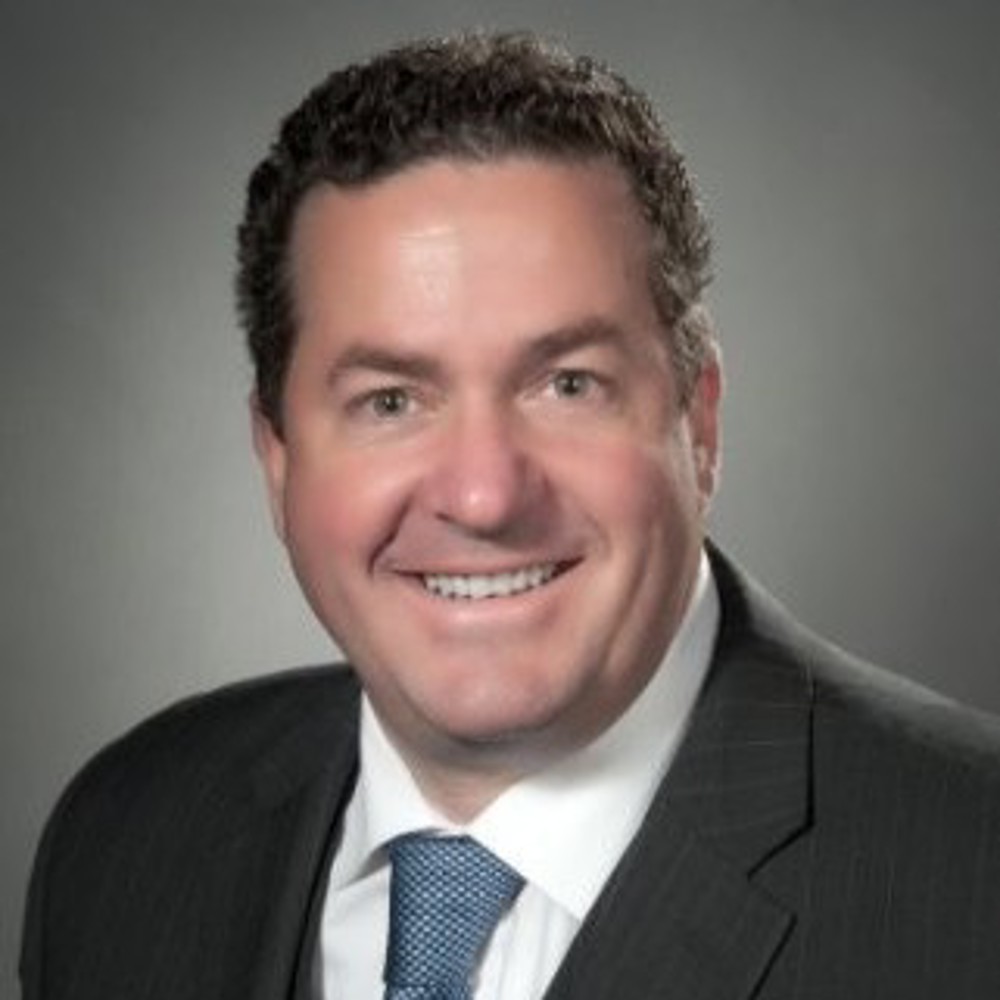

Tom Cushing RN
Principal Advisor IT Strategy & Application Solutions
Northwell Health
About Me
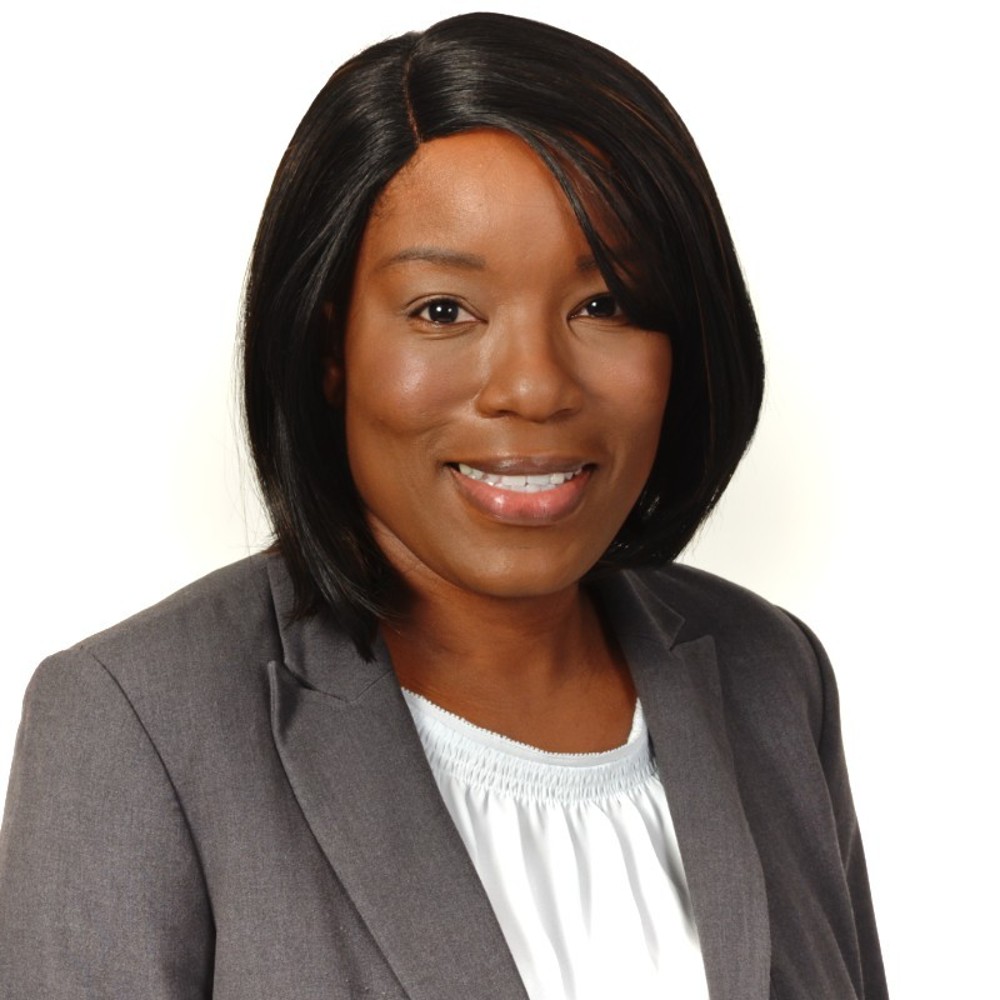

Maxine Legall
Chief Diversity, Equity & Inclusion (former)
The Jewish Board
About Me


Tiffany Sturdivant
Director, Regional Needs Assessment and Planning
United Hospital Fund New York
About Me


Oleg Rivkin
CEO
Select Specialty Hospital
About Me


Janos Hajagos
Chief of Data Analytics
Stony Brook Medicine
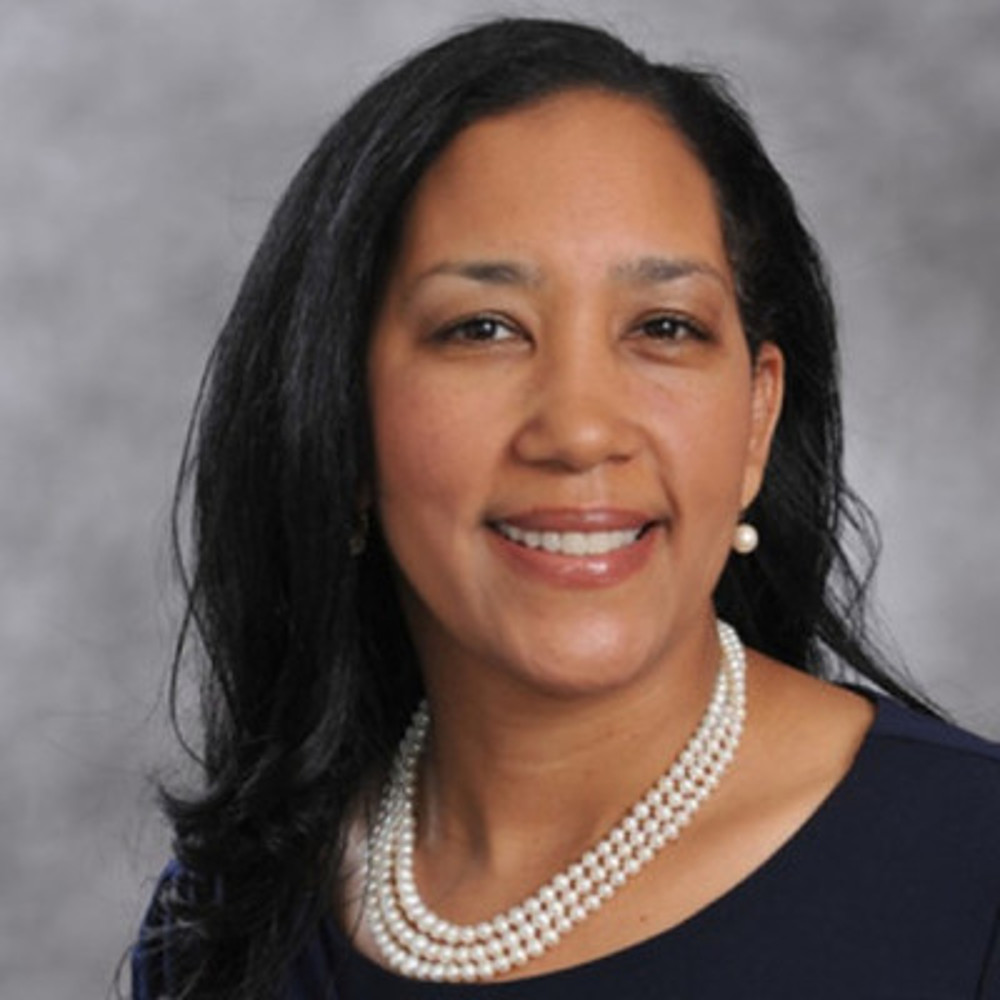

Elizabeth Woodley
COO
START Care
About Me
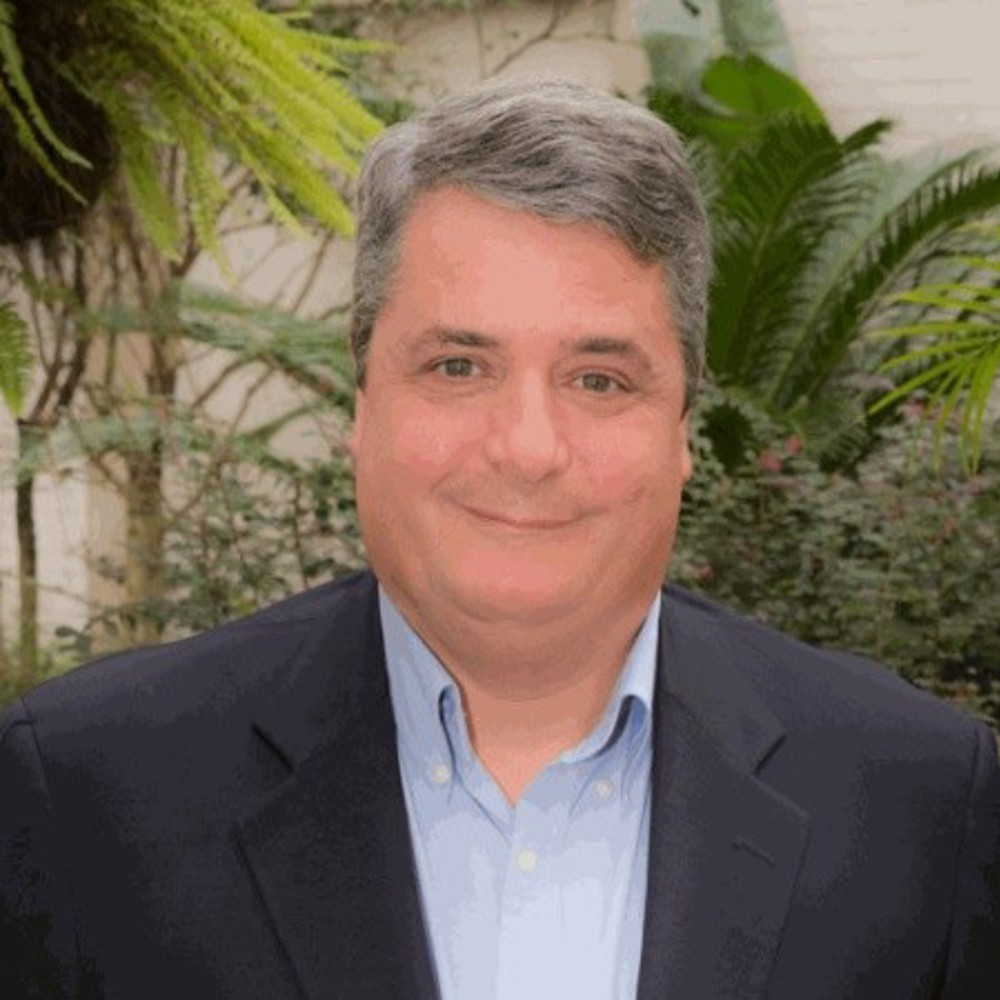

Jim Rutt
CIO
The Dana Foundation


Paul Haser MD
Chief Medical & Research Officer
One Brooklyn Health


Benjamin Goldsteen
CEO
North Star Outcomes
About Me
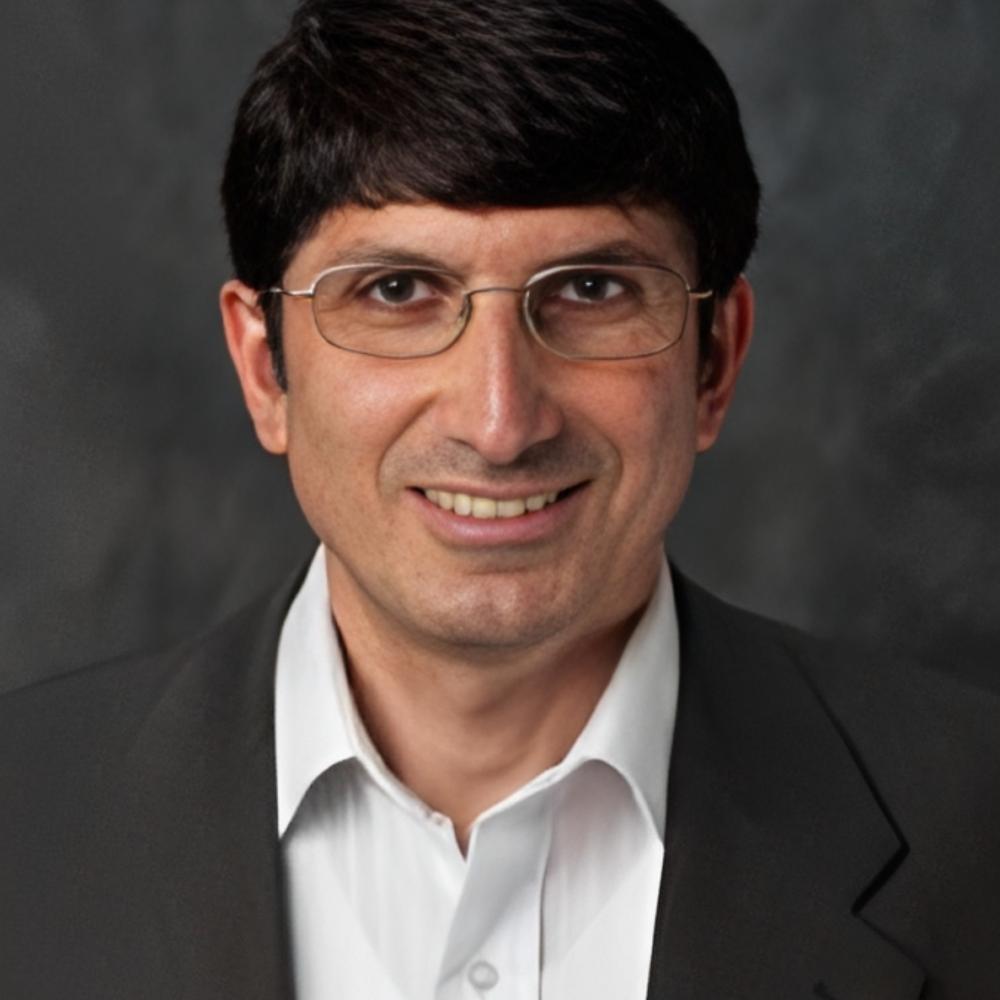

Hom Bahmanyar
Global Enablement Officer
Ridge Security
About Me


Michael Gross
Manager, Cybersecurity Intelligence
Cleveland Clinic
About Me

Valerie Walters
President & CEO
LESC & COGENCY Integrated Healthcare IPA


Jodi Leffingwell
Director, People Operations
MedRite Urgent Care
About Me
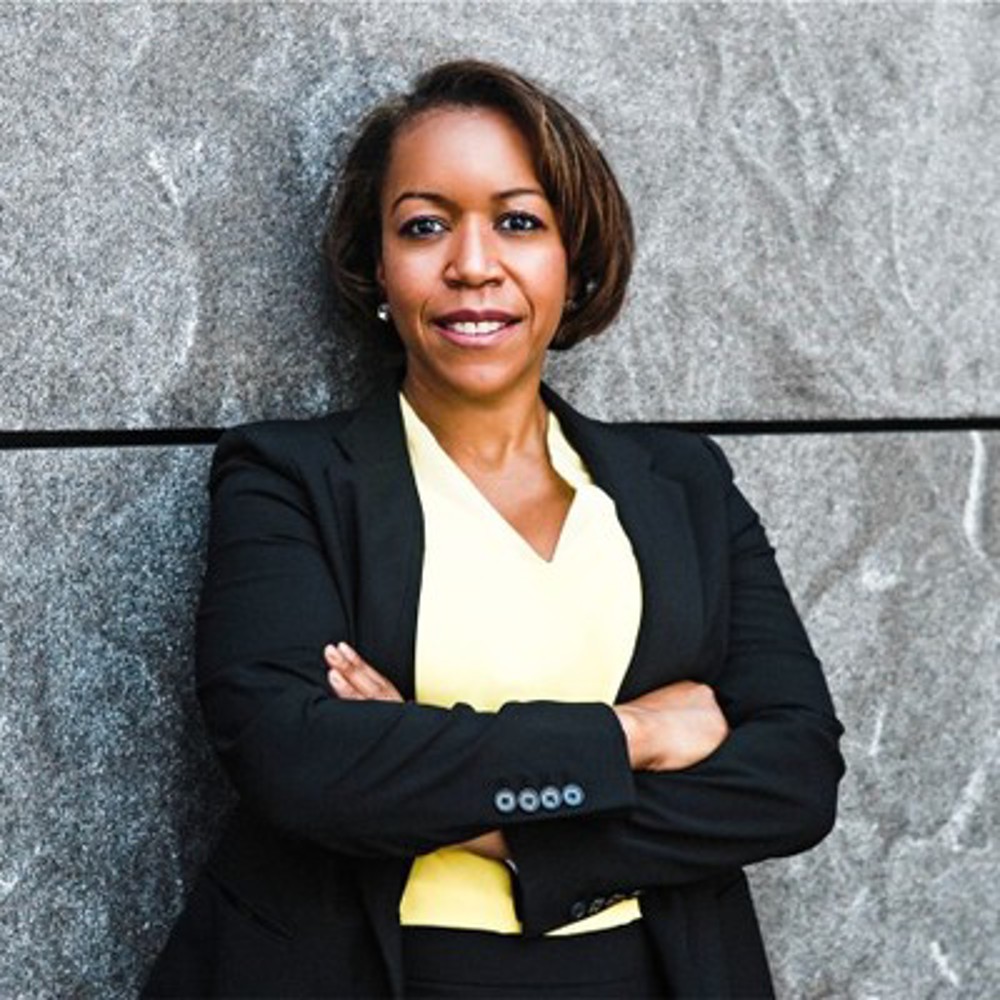

Raven Carter
Assistant VP, Operations
Montefiore Medical Center
About Me


Terence Mills
CEO
Veuu
About Me
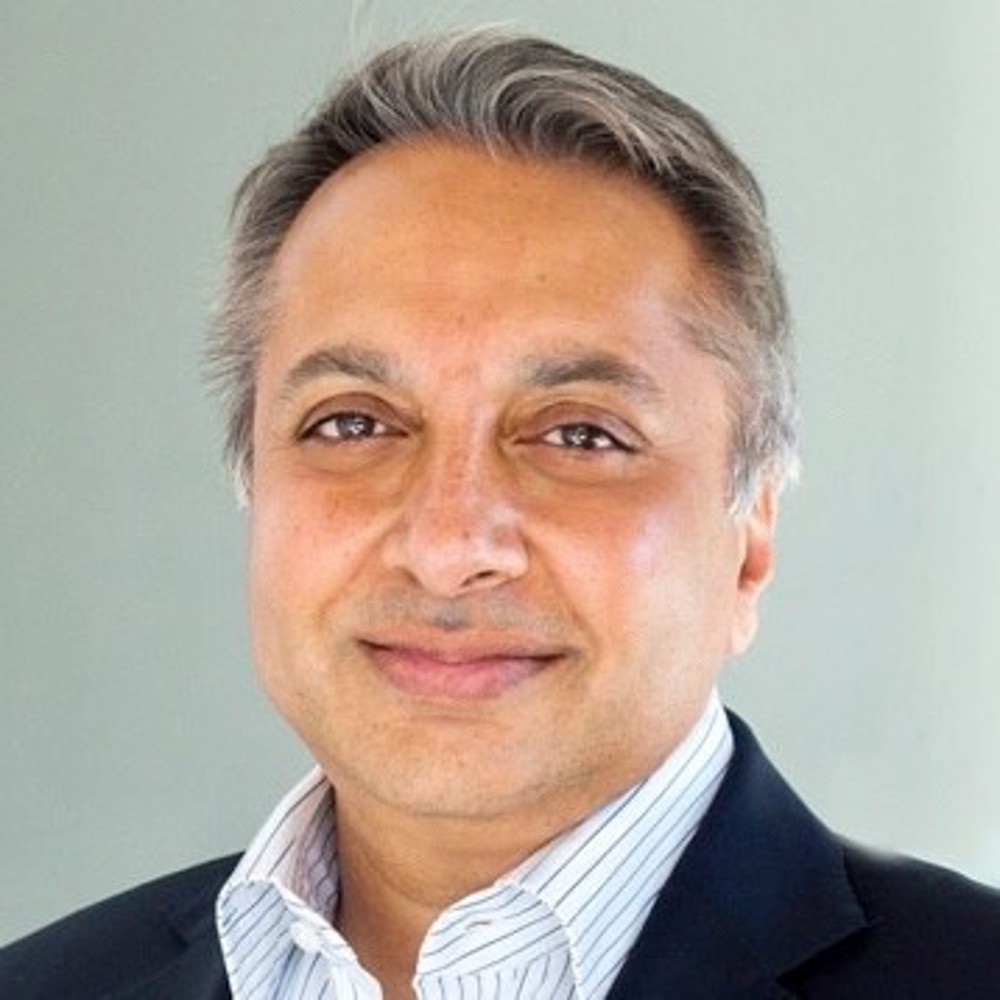

Sumit Nagpal Ph.D.
Co-Founder/CEO/CTO
Cherish Health


Marvin O'Quinn
President & COO Former
CommonSpirit Health
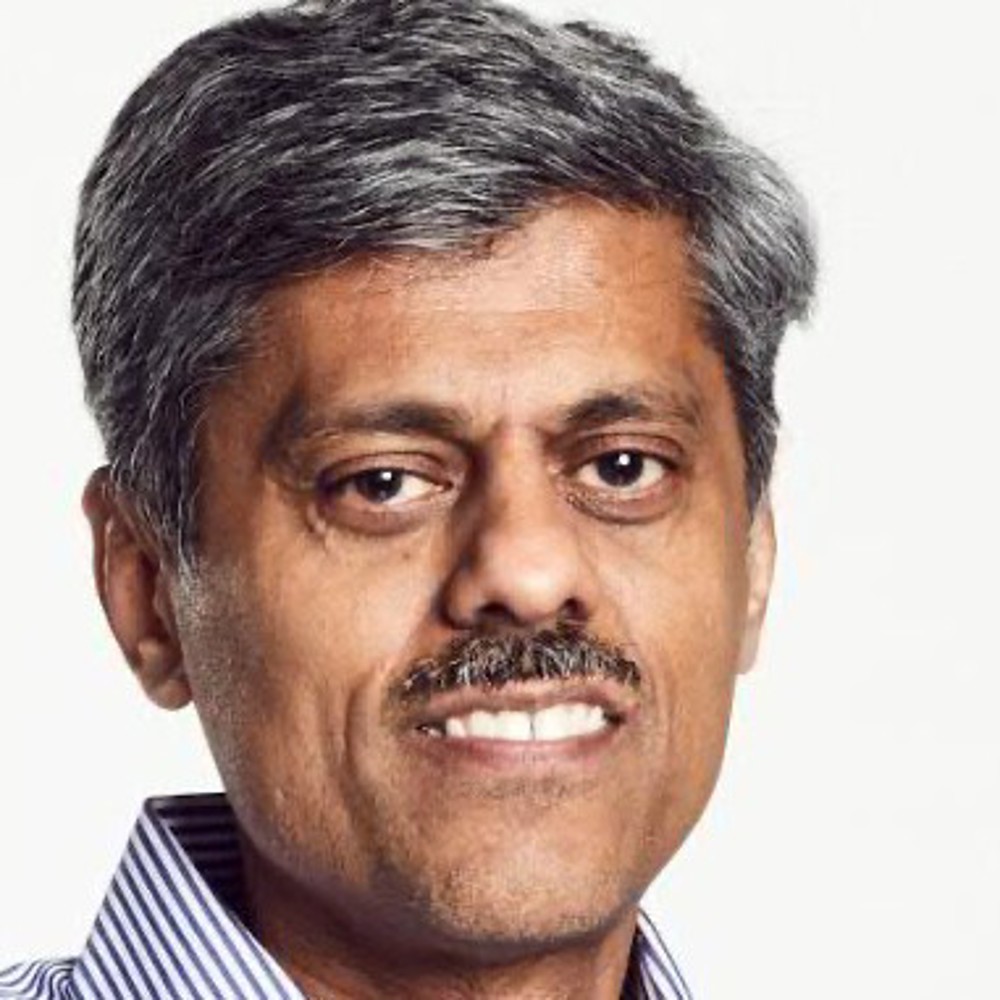

Avijit Chatterjee Ph.D
Head of AI/ML
MSKCC


Christopher LaCoe DBA,RN
VP Virtual Health
Penn State Health
About Me


Purna Prasad Ph.D.
CTO
Sterling Universal Group
About Me

Rachael Spooner
VP Strategy & Development
Northwell Health


Jason Gottlieb
Director, Revenue Cycle Advisory Services
New York Presbyterian Hospital

Jose Azar MD
Executive Vice President
Hackensack Meridian Health

Judith Heller
VP Physician Recruitment
Northwell Health


Patrick Blahosky
RVP
Lightrun
About Me
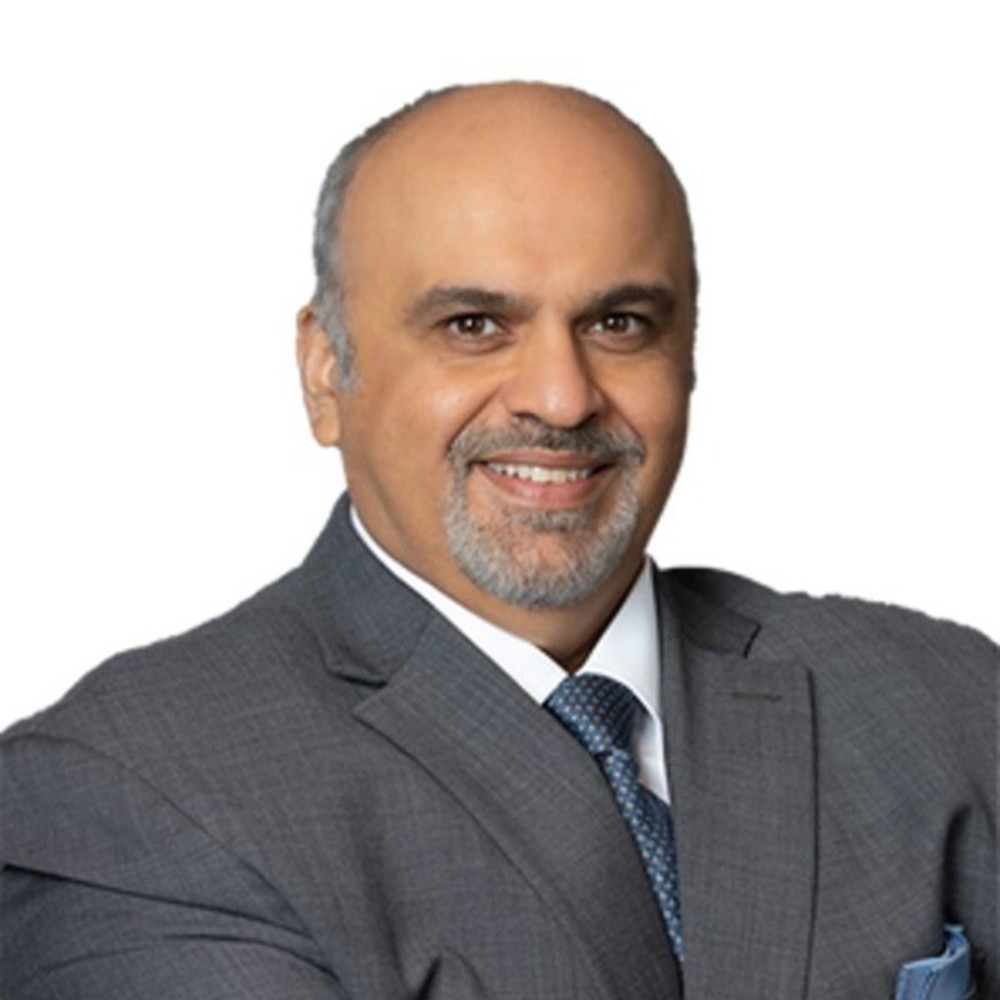

Munish Khaneja M.D.
EVP Chief Physician Officer
CareAbout Health
About Me

Elina Petrillo
AVP HR Technology
Northwell Health
About Me
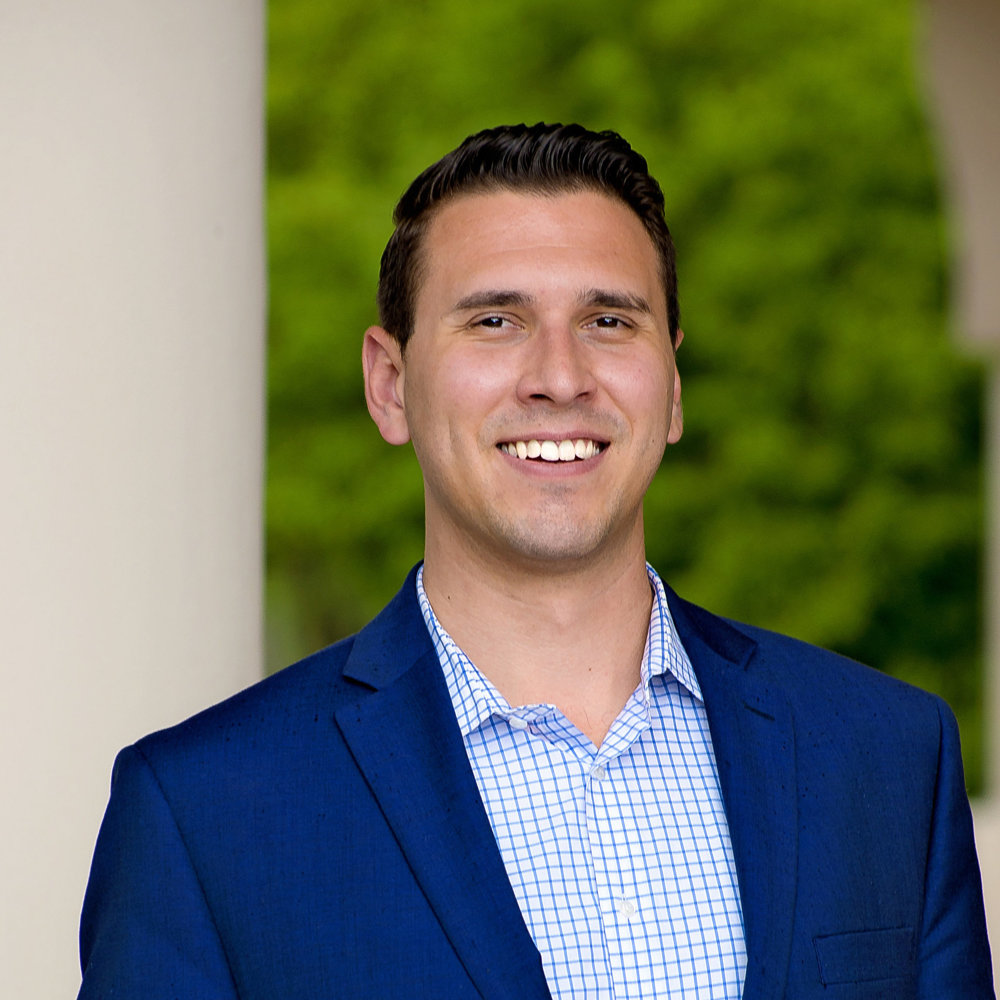

Travis Batiza
Director, Sales & Business Development
Harte Hanks

John Chelico MD
System CMIO
CommonSpirit Health
About Me


Will McCain
Operating Partner
Morse
About Me

Milla Ahmadullina
AVP
Richmond University Medical Center
About Me


Tiffany Sturdivant
VP Operations
Cinqcare
About Me
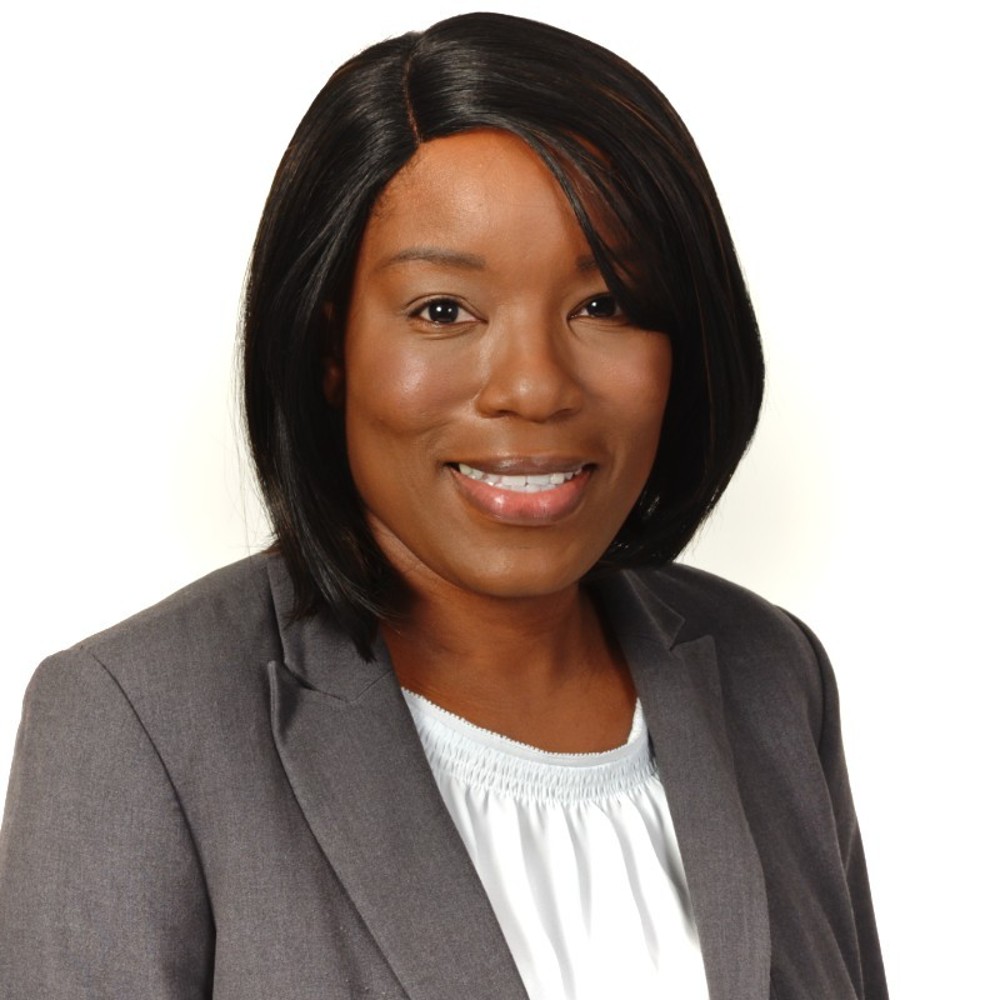
Maxine Legall
Former Chief Diversity, Equity & Inclusion
The Jewish Board
About Me

Michael Gross
CEO
Engrossed Advisory
About Me
Janos Hajagos
Chief of Data Analytics
Stony Brook Medicine
Jim Rutt
CIO
The Dana Foundation
Paul Haser MD
Chief Medical & Research Officer
One Brooklyn Health
Valerie Walters
President & CEO
LESC & COGENCY Integrated Healthcare IPA
Sumit Nagpal Ph.D.
Co-Founder/CEO/CTO
Cherish Health
Marvin O'Quinn
President & COO Former
CommonSpirit Health
Avijit Chatterjee Ph.D
Head of AI/ML
MSKCC
Rachael Spooner
VP Strategy & Development
Northwell Health
Jason Gottlieb
Director, Revenue Cycle Advisory Services
New York Presbyterian Hospital
Jose Azar MD
Executive Vice President
Hackensack Meridian Health
Judith Heller
VP Physician Recruitment
Northwell Health
Travis Batiza
Director, Sales & Business Development
Harte Hanks
EVENT DETAILS
March 26, 2024
Agenda
8:30 AM-9:00 AM
Registration
9:00 AM-9:20 AM
Morning Networking
9:20 AM-9:30 AM
Opening Remarks
9:40 AM-10:25 AM
Vision Keynote Panel
Managing The Margin
Panelists

Chair
Marvin O'Quinn
President & COO Former
CommonSpirit Health


Speaker
Oleg Rivkin
CEO
Select Specialty Hospital


Speaker
Tom Cushing RN
Principal Advisor IT Strategy & Application Solutions
Northwell Health


Speaker
Jodi Leffingwell
Director, People Operations
MedRite Urgent Care


Speaker
Jason Gottlieb
Director, Revenue Cycle Advisory Services
New York Presbyterian Hospital
10:35 AM-11:00 AM
Keynote
AI That Can Explain Itself is What Healthcare Requires. It is Hard to Build.
White box AI can explain itself leading to audit defense and perhaps material defenses in healthcare malpractice lawsuits. The same white box can stop bias depending on how it is built and the results that it generates. This technology is extremely hard to build, but when delivered, will change the industry of healthcare. Let’s look at some examples.
Panelists


Together With:

11:00 AM-11:20 AM
Coffee Break
11:20 AM-11:40 AM
Vision Voices
How Are You Utilizing HR Technology
In the dynamic landscape of healthcare, Human Resource Technology can play a pivotal role in addressing critical challenges. The healthcare sector faces a significant talent shortage, with projections indicating a shortage of 124,000 physicians in the US by 2034. HR teams are leveraging technology to manage staffing efficiently. Cloud-based Human Capital Management (HCM) systems provide real-time insights into staffing needs, aiding workforce planning and budgeting.
Panelists

11:45 AM-12:10 PM
Keynote
The Patient's Symphony: Harmonizing Tech & AI in Contact Center Evolution
In the dynamic landscape of healthcare, where meeting patients' needs is paramount, hear about the imperative of integrating technology and AI to enhance personalized patient care within modern contact centers. Recognizing the challenges posed by call wait times and the necessity for prompt access to vital information, solutions, and assistance, we'll delve into the transformative potential of these advancements. Through the implementation of AI-driven systems, such as intelligent call routing and predictive analytics, healthcare organizations can efficiently manage call volumes, minimize wait times, and ensure seamless access to support, thereby elevating the patient experience.
By leveraging machine learning algorithms and natural language processing, healthcare contact centers can tailor communication channels and content to align with individual preferences and needs. We'll discuss how a personalized approach fosters deeper patient engagement, trust, and satisfaction while empowering patients through self-service options like interactive voice response systems and chatbots.
Panelists


Together With:

12:15 PM-12:30 PM
Disruptor
AI-Powered Security Testing: Continuous Risk Validation for Healthcare
In an era where cyber threats evolve at an unprecedented pace, Chief Information Security Officers (CISOs) in the healthcare sector face a daunting challenge within a complex landscape of cyber risks. This presentation delves into the transformative potential of AI-Powered Security Validation Platforms to continuously manage their vulnerabilities, attack surfaces, and exposure, thus proactively reducing cyber risks. This AI-driven approach not only prioritizes and validates security efforts but also enhances existing controls without the need for additional personnel or tools.
Panelists


Together With:

12:30 PM-1:20 PM
Lunch & Networking
1:20 PM-1:50 PM
Fireside Chat
Value Based Care – What’s the Strategy
Value-based payment and delivery transformation is not the future, it is the present. Successful health systems, hospitals, medical groups and other providers are those that seek to engage with members to improve their health and total cost of care, rather than simply providing episodic services when a patient is sick. Cost reduction is no longer primarily about per-visit cost, but rather total cost of care per member per month (PMPM). In addition to looking at cost from the payer perspective, cost reduction must also be viewed in terms of the member’s out-of-pocket expenses. Put another way, providers must aim to reduce the totality of medical costs for each member they manage, rather than focusing only on the costs for a member when they show up at a clinic or hospital
Panelists

Chair
Munish Khaneja M.D.
EVP Chief Physician Officer
CareAbout Health


Speaker
John Chelico MD
System CMIO
CommonSpirit Health


Speaker
Jose Azar MD
Executive Vice President
Hackensack Meridian Health
1:55 PM-2:35 PM
Panel
Clinic Innovation & Healthcare Equity
Health equity is when everyone has the opportunity to be as healthy as possible. Innovation can be defined as invention + adoption + diffusion. Successful innovations often possess two key qualities: they are both usable and desirable. We will consider working examples of how clinic innovation is favorably impacting health equity, the associated challenges, risks, and how to evaluate success.
Panelists

Chair
Maxine Legall
Chief Diversity, Equity & Inclusion (former)
The Jewish Board


Speaker
Tiffany Sturdivant
Director, Regional Needs Assessment and Planning
United Hospital Fund New York

Speaker
Valerie Walters
President & CEO
LESC & COGENCY Integrated Healthcare IPA

Speaker
Judith Heller
VP Physician Recruitment
Northwell Health

Speaker
Elizabeth Woodley
COO
START Care
2:35 PM-2:55 PM
Networking Break
2:55 PM-3:40 PM
Panel
Impacts of AI On Patient Care
AI is being applied within the healthcare field, especially for the tasks of diagnosis and treatment recommendations, patient engagement and adherence, and administrative activities of the healthcare workforce. Seemingly, the best thing about applying AI in healthcare is that it can be used to improve various spheres: from gathering and processing valuable patient data to being used for programming surgeon robots. Let’s take a closer look at how AI is impacting healthcare diagnosis including detecting and classifying disease; improving decision making process and driving treatment solutions.
Panelists

Chair
Christopher LaCoe DBA,RN
VP Virtual Health
Penn State Health


Speaker
Avijit Chatterjee Ph.D
Head of AI/ML
MSKCC


Speaker
Paul Haser MD
Chief Medical & Research Officer
One Brooklyn Health


Speaker
Purna Prasad Ph.D.
CTO
Sterling Universal Group
3:45 PM-4:30 PM
Panel
Improving Healthcare Outcomes- Diagnosis, Data, Patient Centric Care
Accuracy of diagnosis, data quality and patient centric care are the buzzwords around improving healthcare outcomes. Leveraging artificial intelligence with medical procedures to diagnose disease early, when there is the highest potential for impact. Data quality lives by accuracy, consistency, and relevancy. How can we improve data quality by reducing redundancy and decreasing medical errors? Patient centric care thrives if the partnership among practitioners, patients, and their families align with patients' wants, needs, and preferences. In this session, we will discuss what’s working and what’s not working, as we look to improve diagnosis, data quality and patient centric care.
Panelists

Chair
Benjamin Goldsteen
CEO
North Star Outcomes


Speaker
Janos Hajagos
Chief of Data Analytics
Stony Brook Medicine


Speaker
Sumit Nagpal Ph.D.
Co-Founder/CEO/CTO
Cherish Health


Speaker
Michael Gross
Manager, Cybersecurity Intelligence
Cleveland Clinic

Speaker
Rachael Spooner
VP Strategy & Development
Northwell Health
4:30 PM-4:40 PM
Raffle Giveaway & Closing Remarks
4:40 PM-5:30 PM
Cocktail Networking
Together With